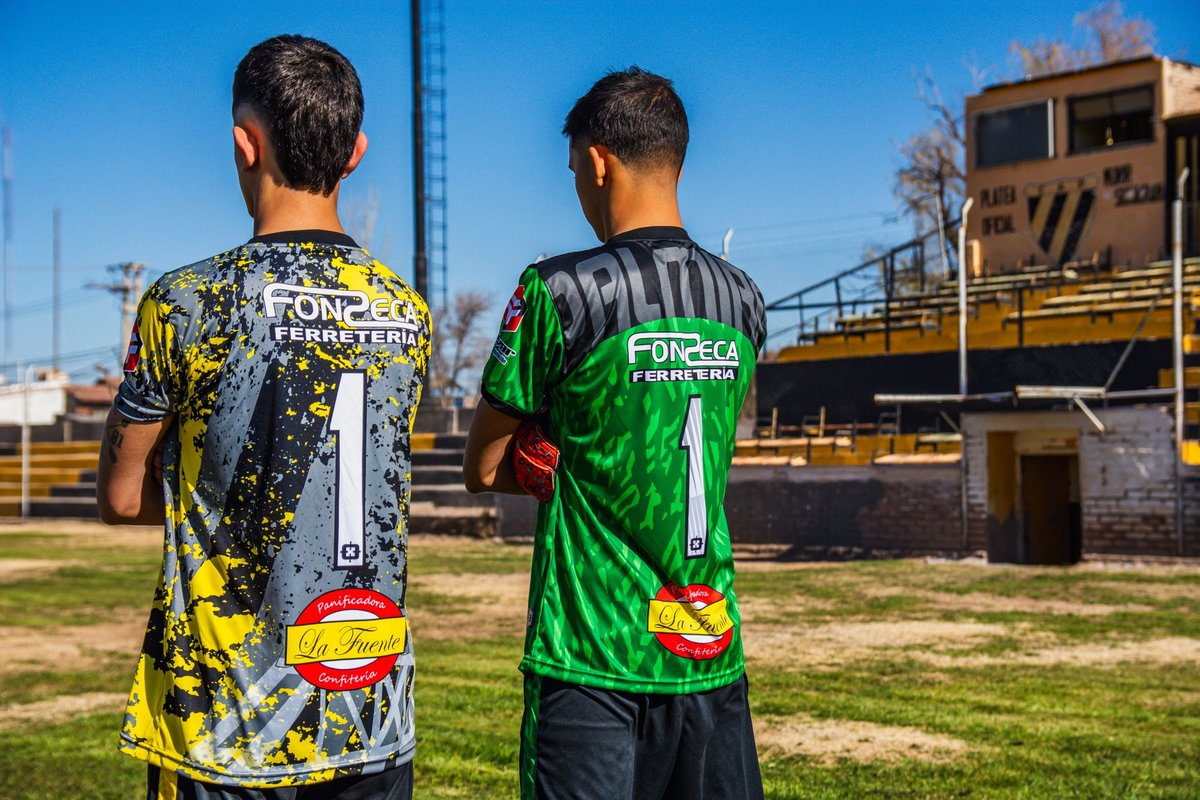
If you're about to buy a sports jersey for match day, for everyday wear or as a gift, the easy mistake is picking the first discounted shirt you see. A good buy does two jobs: it shows your team spirit and it still feels right once the novelty wears off. The quickest way to choose well is to decide what role the shirt actually needs to play before you look at offers.
Pick the version you'll wear most
Start with one question: do you want the exact current shirt, a retro design, or simply something in your team's colours that works away from the stadium?
That choice matters more than most people think. The latest home shirt often feels like the default, but it isn't always the most wearable option. If you'll mainly use it on match days, that's fine. If you want something you'll reach for regularly, an away or third shirt can be the better choice because the design is often easier to wear with jeans, a zip jacket or a winter coat.
If you're buying for a supporter who cares about having the exact current kit, use an official club shop as your benchmark. For Manchester United fans, Manchester United Direct is useful early in the process because it's the official store for club jerseys, training gear and accessories. That gives you a reliable reference point for the current shirt's design and finish before you commit. At the time of writing, members can get 10% off everything, so it's worth checking the store page to see whether that applies to the item you want.
Size it for British weather, not a studio photo
A jersey rarely gets worn on its own for long in the UK. It usually has a base layer underneath, a scarf over the top, or a coat thrown on for the walk to the ground. That's why buying your usual T-shirt size without checking measurements often goes wrong.
A better tactic is to take a shirt you already like wearing on match days, lay it flat and measure the chest from armpit to armpit. Then compare that with the size guide. That tells you far more than guessing between medium and large. If you're between sizes, think about where the jersey will spend most of its time. A closer fit may suit pub screenings or casual wear. A little extra room is more practical if you'll be layering it through winter.
This is even more important for gifts. Don't rely on age alone for children's sizes, and don't assume every adult wants a tight athletic fit. A shirt that only works on a warm day tends to become an expensive souvenir rather than something people actually wear.
Check the small details before you pay for a name on the back
The fastest way to judge a listing isn't the big front image. It's the details that are harder to fake or gloss over. Look closely at the collar shape, sleeve trim, sponsor placement, badge finish and any close-up photos of stitching or neck details. If a listing avoids those angles and leans on one generic image, that's a warning sign.
There's also a simple money-saving decision that gets overlooked: think twice before adding personalisation. A player name and number can make a shirt feel more special, but it can also make returns harder if the fit isn't right. Printed backs can show wear before the rest of the jersey does too. If you're buying a shirt to keep for several seasons, a plain back is often the safer choice.

One season behind is often where the value is
If your goal is to support the team rather than collect the newest release on day one, last season's shirt is usually the smarter buy. It still shows who you follow, it still looks recognisable, and it usually avoids the launch-price premium attached to a brand-new drop.
This is where a football-shirt specialist can be more useful than a single-club shop. Subside Sports focuses on official football shirts and merchandise, so it's a good place to look when you want older designs, a wider club range or a retro option that still feels intentional rather than random. 20% off voucher code is available At the time of writing, there is up to 70% off sale football shirts on the store page.
Retro shirts can be a strong choice, but only if you like the shirt itself rather than the idea of buying retro. The best test is simple: would you still wear it if nobody asked what season it came from? If the answer is yes, it's probably a better buy than a current design you feel unsure about.
If the shirt is part of a bigger gift, watch the rest of the basket
People often focus so hard on the jersey that they stop paying attention once it's in the basket. That's when extra spending creeps in through training gear, accessories or general sports kit.
If the shirt is only one part of a present, a broader retailer can make more sense than a shirt-only search. The Sports HQ is worth a look for that kind of shop because it covers sporting goods, team sports items and activewear more widely. That matters if you're pairing a jersey with practical extras rather than buying the shirt on its own. At the time of writing, it offers up to 5% reward points on all orders, which could be useful if your basket includes more than one sports item.
A good jersey choice usually comes down to one clear decision: buy the exact current shirt, buy a more wearable version of your club colours, or buy an older design at a better price. Once you've made that call, checking fit, skipping unnecessary personalisation and shopping one season behind can save you from a purchase that ends up living in the drawer. For more sportswear and match-day shopping options, browse our Sports, Fitness & Outdoors deals page.