
The expensive mistake with a home-working setup is buying a big desk first and discovering it blocks a doorway, catches screen glare all afternoon or leaves nowhere to put your legs. A productive space usually comes from a few well-judged choices, not a full Pinterest-style office. Here’s how to set one up for less, with the bits that matter first and the extras left until you know you need them.
Pick the corner that works at 10am, not the one that looks nicest
Start with the space, not the shopping basket. The best spot is usually the one with steady daylight from the side, a plug nearby and the least through-traffic, even if it’s only part of a living room or bedroom.
A useful trick is to sit in your possible work spots at the times you actually work. Morning sun can be pleasant for ten minutes and unbearable on a screen by lunchtime. Hallway noise feels minor until you’re on calls all day. Radiator heat can make a corner feel stuffy by mid-afternoon. You’ll learn more from one real test morning than from any product description.
Before buying anything, mark the desk footprint on the floor with masking tape and include the chair pulled back. That quickly shows whether you can open a cupboard, walk past comfortably or store a bag without turning the area into an obstacle course. Once you know the real footprint, it’s much easier to compare options in the Remote Working section instead of browsing blindly.
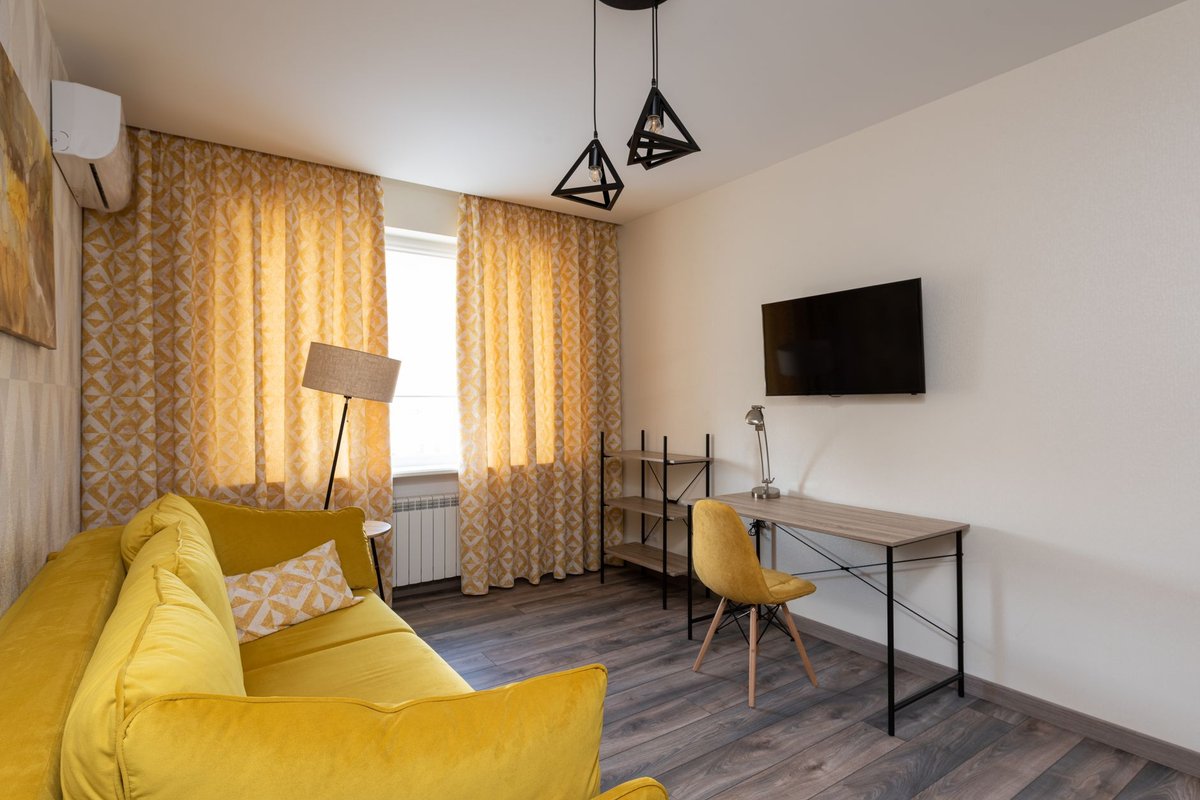
Buy the right-size desk before anything decorative
A productive desk doesn’t need to be huge, but it does need the right shape. You want enough depth to keep your screen a comfortable distance away and enough width for the way you actually work: laptop only, laptop plus notebook, or laptop plus second screen. Many people overspend on a desk that looks substantial, then realise most of the surface is just collecting paper.
Check the underside as carefully as the top. A chunky support bar can hit your knees. Built-in drawers can steal the bit of legroom you were counting on. If you use a dining chair temporarily, check the seat height against the desk rather than assuming “standard” means comfortable.
For desk-first shopping, Home Furniture Land is one of the more relevant options here because it has a live office-desk deal rather than only generic furniture promotions. At the time of writing, oak office desks start from £339, so confirm the current range on the store page. Its newsletter is also worth joining if you’re waiting for a seasonal furniture sale rather than buying this week.
Put your money into posture, then save on the rest
If the budget is tight, spend it where your body notices. That usually means the chair first, then getting the screen to the right height, then storage. Matching finishes can wait.
The cheapest upgrade is often a better layout, not a new product. Raise a too-low monitor with sturdy books or a storage box before paying for a dedicated stand. Keep the items you reach for most within one forearm’s reach so you’re not twisting for your notebook, charger or headset all day. If you add a drawer pedestal, measure the space your knees use when you swivel; plenty of “useful” storage turns into a daily annoyance because it steals movement under the desk.
Secondary pieces are where outlet shopping makes sense. A drawer unit or small bookcase doesn’t have to be the hero piece in the room. Furniture 123 is useful for that because it pushes shoppers towards outlet and last-chance stock, which suits practical extras better than it suits a main desk you’ll live with for years. Get Code At the time of writing, there’s up to 70% off Factory Outlet Products, and it’s sensible to confirm the current selection on the store page before planning around it.
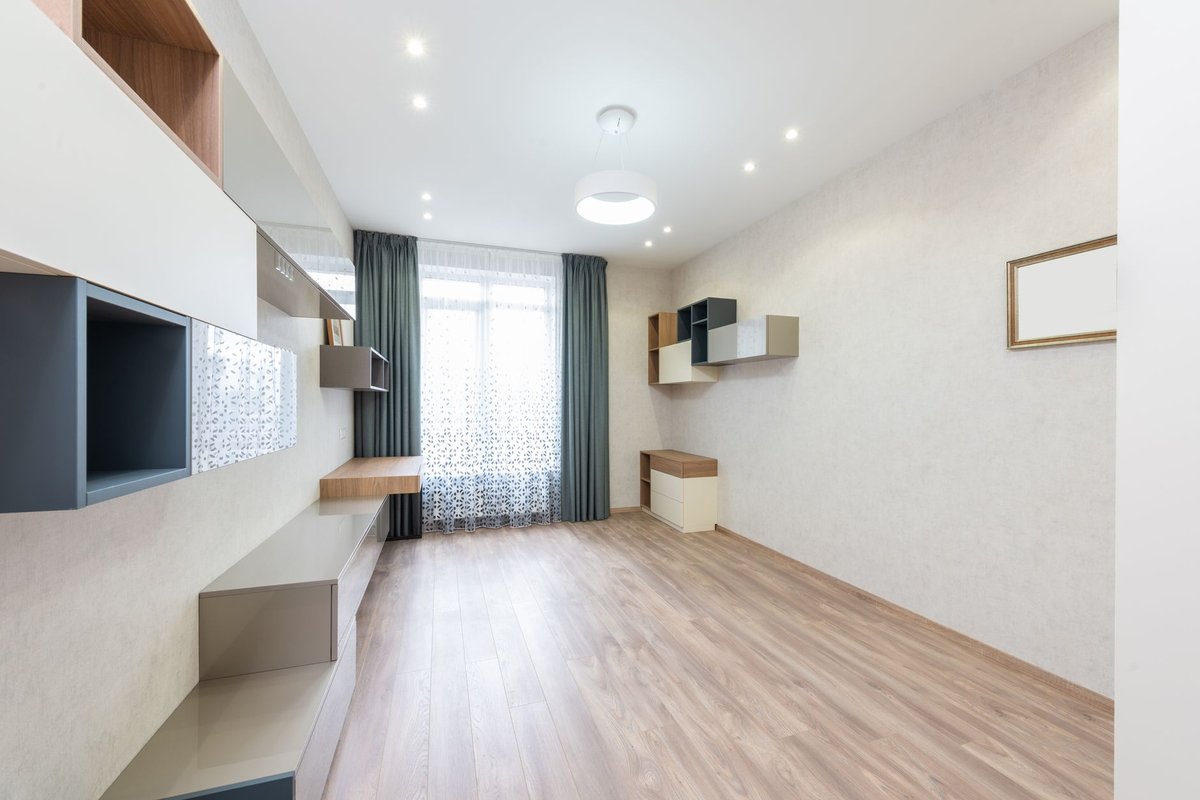
Use wall space and simple DIY before buying more furniture
When a work area feels cramped, the answer is often vertical. One shelf above the desk can clear paperwork, a printer or reference books off the work surface without adding another bulky unit. A hook on the wall for headphones or a work bag can do more for tidiness than an extra cabinet.
This is also where you can avoid the classic cable mess. Route charging leads so they fall behind the desk rather than across it. Keep one charging point for work kit and another elsewhere for personal devices; that small separation stops the desk becoming the dumping ground for every cable in the house. If you print occasionally, store the printer to one side or above desk height, not directly beside your dominant hand where it steals writing space.
For the practical fix-up stage, Wickes earns its place because it regularly runs online promotions and often groups project items into bundle deals, which is handy when you need several small DIY bits for one job. At the time of writing, Wickes offers free delivery on orders over £75, so check the current terms on the store page before ordering heavier items.
Make the room feel like home again after work
The cheapest productive space is often one you can pack away quickly. That matters if your desk is in a bedroom, lounge or kitchen corner, because visual clutter makes work feel permanent.
Give every loose item a home: one box for paperwork, one tray for chargers, one small container for stationery. Don’t spread storage around the room. If it all lives within reach of the desk, you can clear the surface in a minute and start the next day without hunting for anything.
There’s also a less obvious benefit to soft furnishings: they improve how a room sounds on calls. If your space echoes because it’s all hard floors and bare walls, a curtain, throw or cushion nearby can soften the sound and make the area feel calmer. The White Company fits that part of the setup better than the core furniture stage because its homeware and soft furnishings can help a shared room feel less like a permanent office. Its newsletter is the sensible way to catch homeware sales rather than paying full price in a rush.
Start by choosing the spot and measuring it properly. That one job prevents most bad purchases. After that, compare the current options on the Remote Working page, and if you want help with the day-to-day routine as well as the setup, read Things You Need to Remember When Working From Home.